
Blijf op de hoogte van het nieuws en de innovaties van WXING.
Choosing a cold heading machine requires careful consideration of fastener design, material, dimensions, and production volume. Bolts, screws, nuts, and other fasteners have different forming requirements, which affect machine configuration, tooling, and processing capacity. Before purchasing equipment, define the product requirements and evaluate the machine specifications and actual production performance.
Before selecting a cold heading machine, review the product drawings and technical specifications. Pay particular attention to the following factors:
If the machine will produce multiple fastener sizes, verify that its operating range covers the main products rather than focusing on a single specification.
The number of stations required depends on the part geometry and forming sequence. Fasteners that require multiple upsetting, extrusion, or sizing operations may need these processes to be distributed across several stations.
Parts that require fewer forming steps may be produced using equipment with a simpler forming configuration. A multi-station cold heading machine may be more suitable for parts requiring several operations, allowing multiple forming stages to be completed in a continuous production cycle.
The required number of stations should be determined by the product drawings, material deformation requirements, and die design. It should not be decided solely by whether the product is a bolt, screw, or another type of fastener.
Machine specifications provide a starting point for selecting equipment, but each parameter must be evaluated against the requirements of the target product.
A machine's maximum rated speed does not directly indicate its actual output of acceptable parts. Die adjustments, product changeovers, machine downtime, and rejected parts all affect production results.
Before purchasing, ask the supplier to conduct a trial run using the target fastener. Review the actual operating speed, continuous running performance, number of acceptable parts produced, and reasons for downtime. If a specific output target is required, make sure the trial conditions reflect the planned production environment.
Machine selection should also account for die changes, routine maintenance, and coordination with upstream and downstream processes.
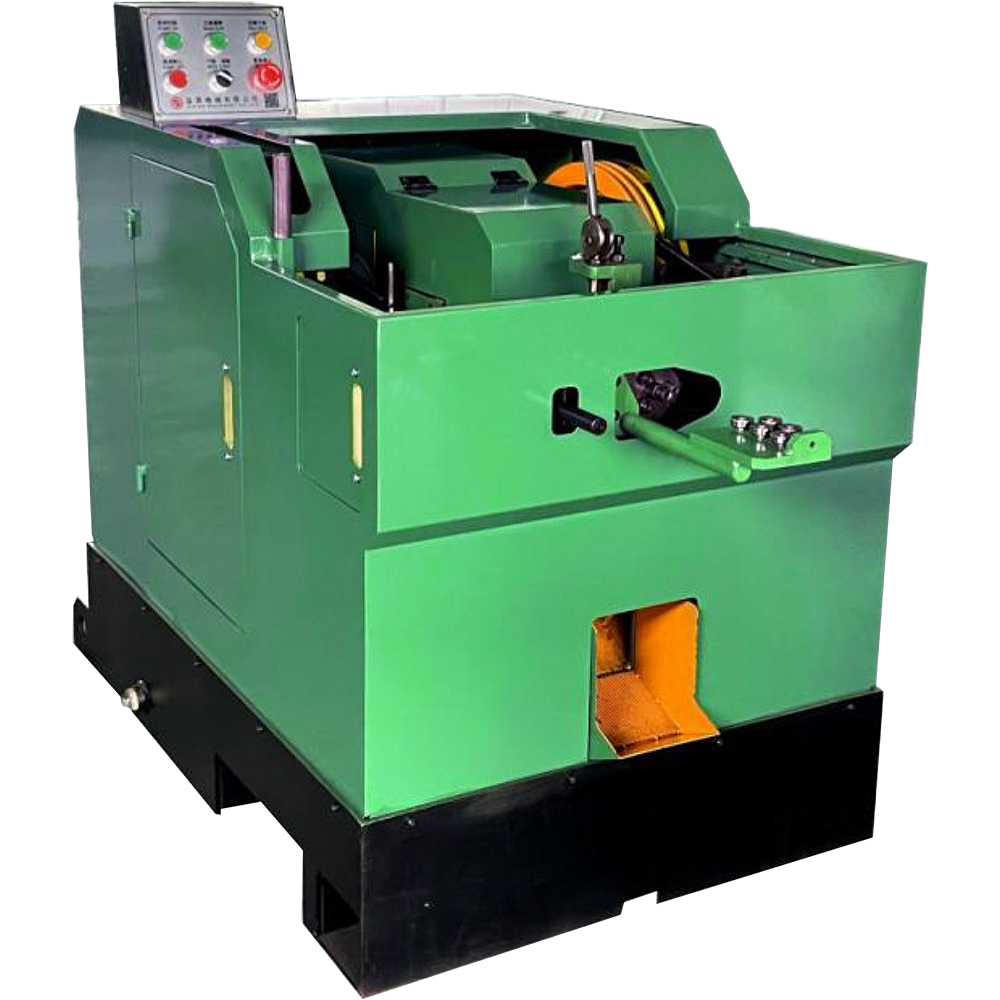
When requesting a quotation, provide the supplier with product drawings, material grade, wire diameter, blank length, dimensional tolerances, and target output. This information helps determine whether the proposed cold heading machine is suitable for the intended application.
For complex fasteners or parts with tight dimensional requirements, consider sample production or an on-site acceptance test. Check critical dimensions, surface quality, and performance during continuous operation. Installation, commissioning, spare parts availability, and after-sales service should also be confirmed before placing the order.
The right cold heading machine is one that matches the fastener specifications and forming process. Evaluating machine parameters alongside actual trial results helps manufacturers select equipment that meets quality and production requirements while managing long-term operating costs.